
Harmaline is a monoamine oxidase inhibitor (MAOI), central nervous system stimulant, and eugeroic (wakefullness promoting compound) that is found in a number of plants. It is a partially hydrogenated form of the alkaloid harmine, which often occurs naturally alongside harmaline.
Like harmine, harmaline is a beta-carboline alkaloid; that is, a naturally occurring substance whose effects on the human body influence brain function, antioxidant activity, and mental function. As a monoamine oxidase inhibitor, it plays an important role in the biochemical activity involved in ingesting ayahuasca, preventing the metabolism of DMT in the human body and allowing DMT to remain long enough for its effects to occur.
The presence of harmaline in the human body causes serotonin to to metabolize to melatonin, a powerful antioxidant and the most important hormone for the regulation of sleep.
Harmaline is a naturally occurring harmala alkaloid found in plants such as Banisteriopsis caapi (the ayahuasca vine) and Peganum harmala (Syrian rue). It belongs to the beta-carboline family and acts as a reversible MAO-A inhibitor (MAOI), which means it temporarily changes how the body metabolizes key neurotransmitters like serotonin.
In traditional plant medicine, harmaline is not viewed as a “drug,” but as part of a living relationship with sacred plants. In modern science, it is being studied for its role in mood, consciousness and the unique effects of ayahuasca.
Harmaline is closely related to harmine and is one of the main active compounds in the ayahuasca vine. As a reversible MAO-A inhibitor, it can:
Influence levels of serotonin and other monoamine neurotransmitters
Prevent the rapid breakdown of other plant compounds, especially DMT
Contribute to the emotional and visionary depth of ayahuasca experiences
Because of these properties, harmaline has become a focus of interest for researchers, wellness practitioners and people drawn to traditional plant medicine.
Long before harmaline was named in laboratories, plants containing this alkaloid were used in ritual, healing and spiritual contexts.
In the Amazon, Banisteriopsis caapi is considered a teacher plant. Within Indigenous traditions, the vine is worked with over many years through dietas, prayer and ceremony. Harmaline is part of what supports:
Emotional cleansing and release
Insight into personal patterns and past experiences
A sense of connection with nature, ancestors and spirit
In other regions, such as the Middle East and Central Asia, Peganum harmala has been used as incense and herbal preparation in folk medicine and protective rituals.
On a biochemical level, harmaline’s MAO-A inhibition is essential for the classic ayahuasca experience. When combined with DMT-containing plants, harmaline:
Allows DMT to become orally active, instead of being broken down in the gut
Extends the effects over several hours
Helps shape the emotional, cognitive and visionary quality of the ceremony
From a holistic perspective, harmaline acts like a gatekeeper: it opens a temporary window in our neurochemistry, creating conditions for deep introspection when used in a safe and guided setting.
Because harmaline is a MAO-A inhibitor, it must be approached with care. Potential risks include:
Interactions with antidepressants and other medications
Changes in blood pressure and heart rate
Strong emotional or psychological material arising in ceremony
For this reason, it is important to:
Avoid self-medication or unsupervised experimentation
Disclose all medications and health conditions to qualified professionals
Work only in settings that include careful screening, experienced facilitators and integration support
Nothing in this article is medical advice or a recommendation to take harmaline or ayahuasca. Always consult a qualified healthcare professional about your specific situation.
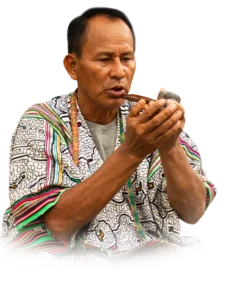
If you feel genuinely called to understand harmaline and ayahuasca more deeply, the safest and most respectful way is within a traditional ceremonial framework, guided by experienced healers.
At Aya Healing Retreats in Peru, ayahuasca ceremonies and master plant dietas are held with Shipibo healers, small groups and trauma-informed support. Our focus is not on chasing visions or isolated molecules, but on building a grounded, respectful relationship with sacred plants and integrating the insights into daily life.
If this resonates with you, we invite you to explore our ayahuasca and plant medicine retreats and see whether this path feels like the right next step on your journey.