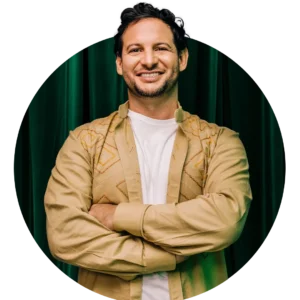
Founder AYA Healing Retreats
Ayahuasca is one of the most profound and ancient plant medicines on Earth. For thousands of years, indigenous healers in the Amazon have used it as a gateway to healing, self-discovery, and spiritual awakening. Today, people from every corner of the world travel to the Peruvian Amazon seeking its transformative power.
But what exactly is ayahuasca? How does it work? Is it safe? And how do you know if it’s right for you?
This guide answers every question — honestly, thoroughly, and from a place of deep respect for the medicine and the traditions that carry it.
Ayahuasca has been used for at least 1,000 years — and possibly much longer — by indigenous peoples throughout the Amazon basin. Archaeological evidence suggests ceremonial use of the plants dates back several millennia.
The word “ayahuasca” comes from the Quechua language and is often translated as “vine of the soul” or “vine of the dead” — a reference to its capacity to facilitate contact with deeper dimensions of consciousness and the spirit world.
Among the Shipibo-Conibo people of the Peruvian Amazon — the tradition at the heart of our work at AYA Healing Retreats — ayahuasca is not a drug, a recreational substance, or even a medicine in the Western sense. It is a living spirit, a teacher, and a healer. The Shipibo call it “oni xuma” and have developed one of the most sophisticated healing traditions in the world around its use, passed down through generations of maestros and curanderas over centuries.
The knowledge of how to prepare, administer, and work safely with ayahuasca belongs to these lineages. When you participate in an authentic ayahuasca ceremony, you are stepping into a tradition that has been refined and protected for thousands of years.
Ayahuasca is a brew made from two plants native to the Amazon rainforest:
The ayahuasca vine (Banisteriopsis caapi) — a thick, woody vine that grows throughout the Amazon. It contains beta-carboline alkaloids (harmine, harmaline, and tetrahydroharmine) that act as MAO inhibitors, allowing the active compounds in the second plant to be absorbed by the body.
Chacruna leaves (Psychotria viridis) — a shrub whose leaves contain dimethyltryptamine (DMT), the primary psychoactive compound responsible for the visionary experience.
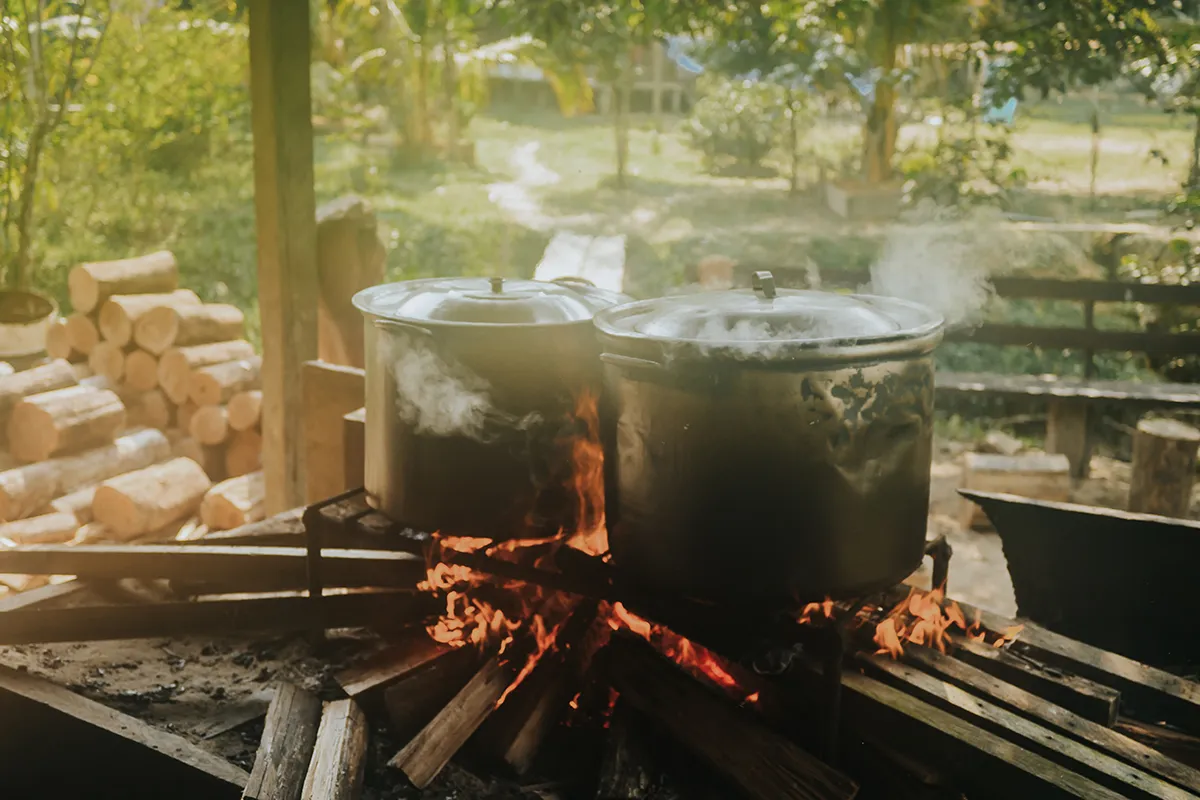
Neither plant alone produces the full ayahuasca experience. Together, they create a synergistic medicine of remarkable complexity. Preparing the brew is a sacred act in itself — a process of singing, prayer, and intention that takes many hours and requires deep knowledge of the plants.
Different curanderos prepare the brew slightly differently, and the specific vine, the quality of the plants, the intentions held during preparation, and the experience of the healer all influence the medicine’s character and effect.
Ayahuasca produces a profoundly altered state of consciousness that typically lasts between 4 and 8 hours. But describing what it “does” is like trying to describe what a deep conversation with your most trusted mentor “does” — the words fall short of the experience.
On a physiological level, ayahuasca increases serotonin signalling, activates the default mode network of the brain (the part associated with self-reflection and identity), and produces neuroplasticity — literally creating new neural pathways and making the brain more flexible and open to change.
On a psychological level, ayahuasca often surfaces repressed memories, unprocessed emotions, and deeply held beliefs and patterns that are driving suffering in your life. It is frequently described as “ten years of therapy in one night” — not because it is easy, but because it goes directly to the root.
On a spiritual level, many people report experiences of profound unity, encounters with what feel like spiritual beings or ancestral presences, deep compassion for themselves and others, and a direct sense of contact with something larger than the individual self.
Common experiences include:
No two experiences are alike. Ayahuasca meets each person exactly where they are.
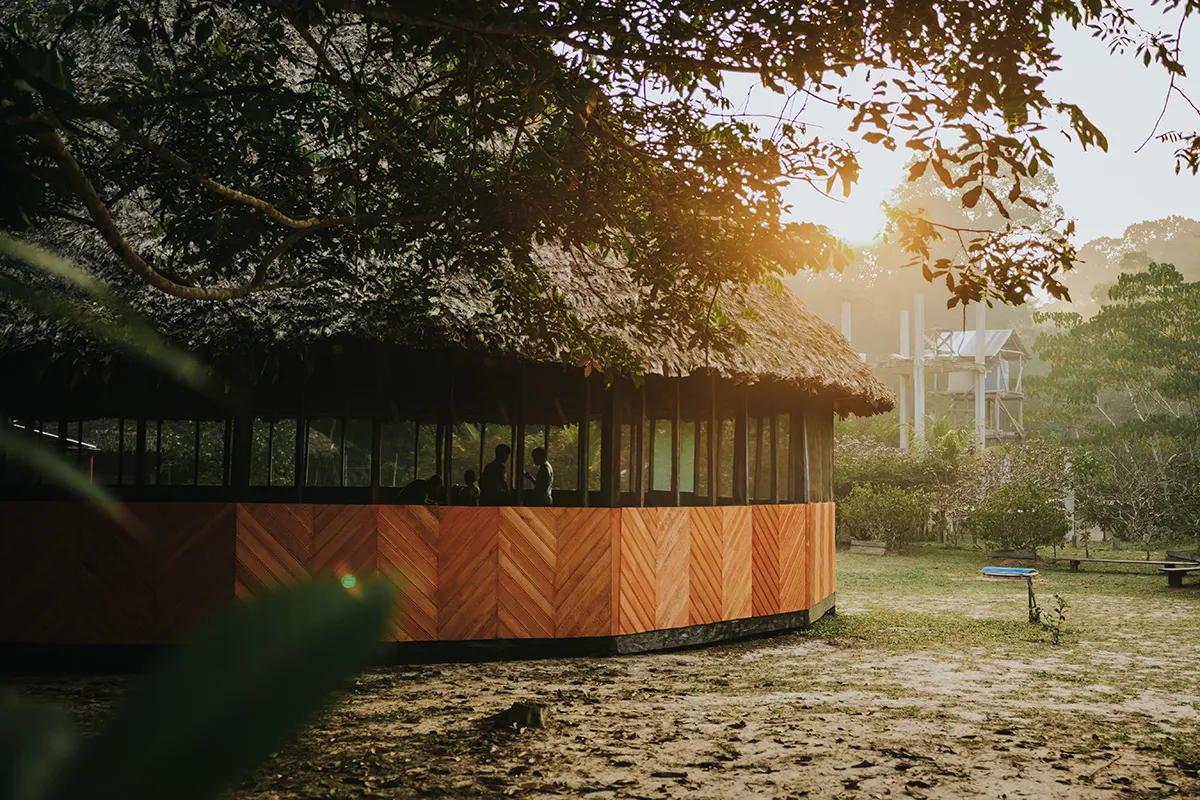
An authentic ayahuasca ceremony takes place at night, in a ceremonial house called a maloca. The darkness is intentional — it allows the visions to emerge more clearly and creates a container for deep inner work.
At AYA Healing Retreats, ceremonies are led by our maestro Don Miguel, a Shipibo healer of extraordinary depth and experience whose lineage stretches back generations. Here is what you can expect:
Before the ceremony — you will meet with Don Miguel for an individual consultation. He will assess your energetic state, discuss your intentions, and guide you on the right dose of medicine for your needs. A strict diet — known as the dieta — is observed in the days before and after ceremony, avoiding certain foods, substances, and activities that would interfere with the medicine.
The opening of ceremony — participants sit or lie on mattresses arranged in the maloca. Don Miguel opens the ceremony with prayer and calls in the plant spirits. The medicine is served individually, each cup prepared with intention.
The ceremony itself — as the medicine takes effect (typically 20–45 minutes after drinking), the curandero begins singing icaros — sacred healing songs that are the primary tool of Shipibo healing. The icaros are not merely music — they are considered to be the language of the plants themselves, directing the medicine within each participant’s body and energy field.
Facilitators are present throughout the night, supporting participants with gentle guidance and physical assistance when needed.
The closing — as the medicine recedes, Don Miguel closes the ceremony, gives thanks, and participants rest. Integration sharing happens the following morning, offering space to process and begin to understand what arose.
The Shipibo-Conibo people of the Ucayali region of Peru are one of the most respected plant medicine traditions in the world. Their approach to healing is holistic, sophisticated, and profoundly rooted in relationship with the natural world.
At the heart of Shipibo healing is the concept of “kene” — sacred geometric patterns that represent the structure of the cosmos and the energetic blueprint of all living things. Shipibo healers perceive these patterns in the human energy field and work to restore harmony and coherence through icaros, plant medicines, and ceremony.
Unlike some other ayahuasca traditions, Shipibo healing is not simply about the ayahuasca ceremony itself. It is an entire system of plant medicine that includes master plant dietas, floral baths, vapor baths, and long periods of apprenticeship and dietary restriction.
Our work at AYA Healing Retreats is deeply rooted in this tradition. Don Miguel was born into a healing lineage, trained from childhood under the guidance of his family’s curanderos, and has dedicated his life to preserving and sharing this ancient knowledge with the world in a way that honours its origins.
Interest in ayahuasca from the scientific community has grown dramatically in recent years. Research from leading institutions, including Johns Hopkins University, Imperial College London, and the Multidisciplinary Association for Psychedelic Studies (MAPS) has begun to illuminate what indigenous healers have known for millennia.
Key findings include:
Depression and PTSD — Multiple studies have shown significant reductions in depression symptoms following ayahuasca use, with effects lasting weeks to months after a single experience. Research published in peer-reviewed journals suggests ayahuasca may work through mechanisms distinct from conventional antidepressants, including enhanced emotional processing and increased psychological flexibility.
Neuroplasticity — Ayahuasca appears to promote the growth of new neural connections and increase the brain’s capacity for change — a quality researchers call neuroplasticity. This may explain why many people report lasting shifts in perspective and behaviour following ayahuasca experiences.
Default mode network — Brain imaging studies show that ayahuasca significantly alters activity in the default mode network — the part of the brain associated with self-referential thought, rumination, and the “narrative self.” This disruption of rigid self-related thinking patterns may be central to its therapeutic effects.
Addiction — Preliminary research suggests ayahuasca may have significant potential for treating addiction, including alcohol, cocaine, and opioid dependence. Several observational studies have documented dramatic reductions in substance use following ayahuasca retreats.
It is important to note that research is still in early stages, and ayahuasca is not a medically approved treatment in most countries. We work in close partnership with ICEERS (the International Centre for Ethnobotanical Education, Research and Service) to ensure our practices align with the highest standards of safety and ethical conduct in the field.
Safety is the question we take most seriously at AYA Healing Retreats — and the honest answer is: yes, when administered responsibly in the right context, ayahuasca has a strong safety profile. But it requires genuine care, rigorous screening, and experienced healers.
Physical safety — Ayahuasca is not physically addictive and has low toxicity. However, it has significant interactions with certain medications — particularly SSRIs, MAOIs, and stimulants — and is contraindicated for people with certain heart conditions and psychiatric histories. This is why rigorous medical screening is non-negotiable.
At AYA Healing Retreats, we have developed our screening process in partnership with ICEERS, making it one of the most comprehensive in the industry. Every participant undergoes detailed health and psychological assessment before being accepted.
Psychological safety — Ayahuasca can surface challenging material. Having experienced, caring facilitators and a strong integration framework is essential. Our team includes trained somatic therapists and experienced facilitators who are present throughout every ceremony and available for support before and after.
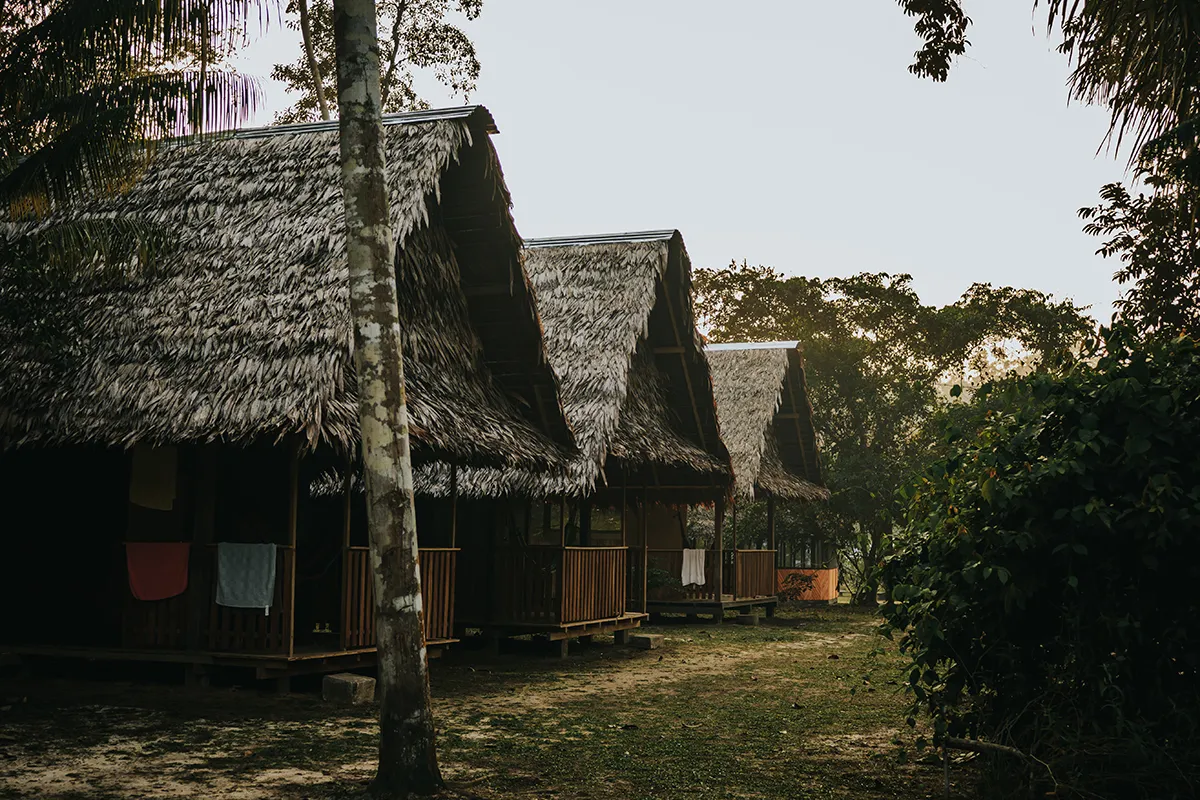
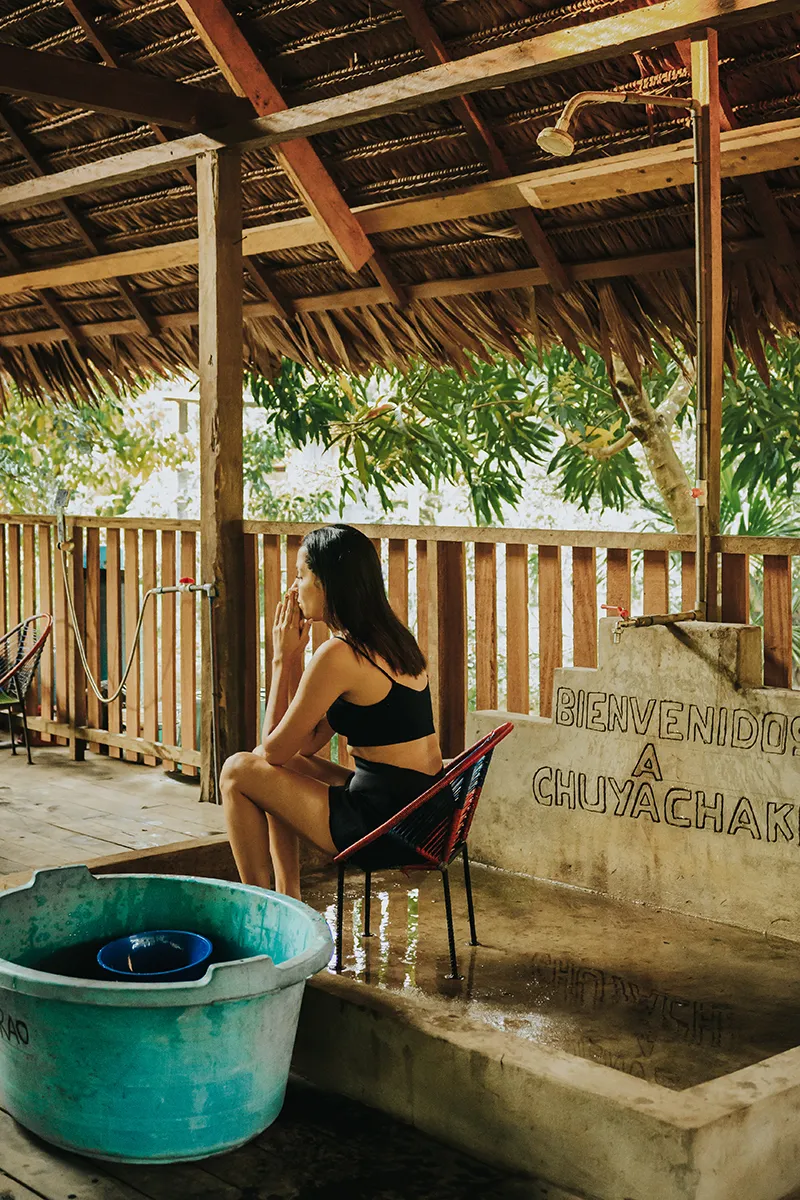
Setting safety — Ceremony environment matters enormously. Our retreat centre, El Encanto de Chullachaqui, is purpose-built for this work — a safe, beautiful jungle sanctuary with private accommodation, 24-hour electricity, clean water, and 24-hour emergency transport access to medical facilities in Iquitos.
Contraindications — Ayahuasca is NOT recommended for people with:
If you are unsure whether ayahuasca is appropriate for you, please reach out to us directly. We will always give you an honest assessment.
Preparation begins weeks before you arrive. We provide detailed guidance on the pre-retreat diet (the dieta), which involves avoiding certain foods, alcohol, recreational substances, and sexual activity. This is not an arbitrary restriction — it is an essential part of opening your energy field to the medicine and the healing process.
We also offer a pre-retreat preparation session with our integration team, helping you clarify your intentions and prepare emotionally and psychologically for what may be a profound experience.
At AYA Healing Retreats, our 11-day program includes:
Integration — the process of making meaning from your experience and weaving the insights into your daily life — is where the real transformation happens. Many people describe the weeks and months following a retreat as the most important period.
We support this process with:
Not all ayahuasca retreats are equal. As the field has grown, so has the number of centres offering experiences of widely varying quality and safety. Here is what to look for:
Authentic lineage — Is the ceremony led by a genuine indigenous healer from a recognised tradition? At AYA Healing Retreats, Don Miguel is Shipibo-born, lineage-trained, and has been practising traditional healing his entire life.
Rigorous safety screening — A reputable centre will ask detailed questions about your health history and medications before accepting you. If a centre doesn’t screen thoroughly, walk away.
Small group sizes — Intimate groups allow for personalised attention and genuine care. We limit our retreats to 12–15 participants maximum.
Strong integration support — What happens after the ceremony matters as much as the ceremony itself. Ask any centre what integration support they offer.
Transparency about pricing — Hidden costs and unclear pricing are red flags. Our pricing is clear and inclusive — accommodation, meals, ceremonies, integration support, and transfers are all included.
Ethical practices — Does the centre support and fairly compensate its indigenous healers? Does it give back to the local community? At AYA Healing Retreats, we donate a portion of all proceeds to NGOs working on trauma healing and Amazon reforestation.
Third-party verification — Look for centres with recognised safety partnerships. Our partnership with ICEERS provides an independent standard of safety and ethical practice.
How long does an ayahuasca ceremony last? A ceremony typically lasts between 4 and 8 hours. We begin after dark and participants are supported through the night until the medicine has fully receded.
Will I experience visions? Many people do experience visual phenomena — geometric patterns, landscapes, beings, and symbolic imagery. However, ayahuasca is not always primarily visual. The medicine works differently for each person and in each ceremony. Some of the deepest healing experiences are felt rather than seen.
Do I have to purge? Purging — vomiting or other forms of physical release — is common and considered a normal, healthy part of the process by Shipibo healers. It is seen as a release of energetic and physical congestion rather than simply a side effect. That said, not everyone purges, and it is not a requirement for a powerful experience.
Can I do ayahuasca if I take antidepressants? This depends on the specific medication. SSRIs and SNRIs require a tapering period before ceremony — typically a minimum of 2–4 weeks under medical supervision. We assess each participant individually and work with you and your doctor to determine safety. Never stop psychiatric medication without medical supervision.
How many ceremonies should I do? We recommend a minimum of 3 ceremonies in a single retreat to allow the medicine to work at progressively deeper levels. Our 11-day program includes 5 ceremonies — this is the depth we have found most consistently produces lasting transformation.
Is one retreat enough? For some people, yes — a single retreat produces lasting change. For others, working with the medicine over multiple retreats deepens the healing over time. There is no single right answer. We are always honest with participants about what we observe and what we recommend.
What is the difference between ayahuasca and other psychedelics? Ayahuasca is distinguished by its long duration, its purging component, the central role of the healer and icaros, and the broader ceremonial and dietary container in which it is held. It is generally considered one of the more demanding psychedelic experiences — and also one of the most potentially transformative.
Ayahuasca is not for everyone, and it is not a magic solution. It is a powerful catalyst for change — but the change still requires your commitment, your courage, and your willingness to do the work.
People who tend to benefit most are those who:
If you are considering ayahuasca, we invite you to book a free exploratory call with our team. We will answer your questions honestly, assess whether the medicine is appropriate for you, and help you understand whether our retreat is the right fit. There is no pressure and no obligation.
At AYA Healing Retreats, we have been hosting authentic Shipibo ayahuasca retreats in Iquitos, Peru since 2017. We have guided hundreds of people from over 30 countries through this extraordinary process — and we take the responsibility of that work seriously.
Our retreats are built on three pillars:
Authenticity — Rooted in genuine Shipibo tradition under the guidance of Don Miguel, whose lineage and knowledge are the foundation of everything we do.
Safety — Developed in partnership with ICEERS, our screening and safety protocols are among the most rigorous in the industry.
Integration — We care deeply about what happens after you leave the jungle. Our integration support ensures the insights from your experience have the best possible chance of creating lasting change in your life.
As featured in Forbes Australia, our work has been recognised as a leading example of ethical, transformational plant medicine healing.
2026 retreat dates are now open. Spots are limited.
Book Your Free Exploratory Call →
AYA Healing Retreats operates in full compliance with Peruvian law. Ayahuasca is legal in Peru and recognised as part of the country’s cultural heritage. This page is for educational purposes. Always consult a qualified medical professional before participating in any plant medicine experience.